
Subscribe to get access
Download a PDF of this Safety Talk with a monthly membership
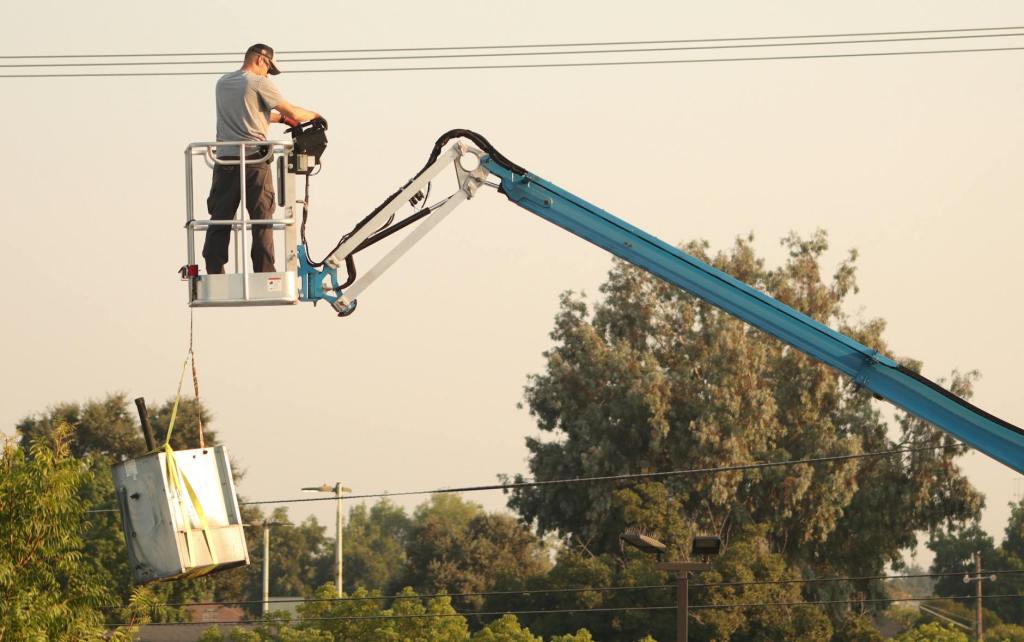
Safety Topic: Manlift Safety in the Workplace
Introduction: Manlifts, also known as personnel lifts or aerial lifts, play a crucial role in providing elevated access for various tasks. However, their use presents unique safety challenges that require attention to ensure the well-being of workers. This safety topic aims to address key aspects of manlift safety, emphasizing practices that promote a secure working environment.
Key Points:
- Proper Training:
- Certification: Ensure that operators of manlifts are certified and trained to use the specific type of lift they will operate.
- Regular Refresher Courses: Implement regular refresher courses to keep operators updated on safety protocols and equipment changes.
- Pre-Use Inspection:
- Visual Checks: Prior to each use, conduct a thorough visual inspection of the manlift, checking for any visible signs of wear, damage, or malfunction.
- Functional Tests: Verify that all safety features, such as emergency stops and controls, are in proper working condition.
- Load Capacity Awareness:
- Rated Capacity: Clearly communicate the rated capacity of the manlift and strictly adhere to load limits.
- Personnel Only: Prohibit the use of manlifts for carrying materials or equipment unless designed and approved for such purposes.
- Fall Protection:
- Personal Fall Arrest Systems: Ensure that operators use appropriate personal fall arrest systems when working from manlifts at heights.
- Guardrails and Restraints: Utilize built-in guardrails and restraints as additional measures to prevent falls.
- Stability Considerations:
- Level Ground: Operate manlifts on stable and level ground to minimize the risk of tip-overs.
- Outriggers/Stabilizers: Use outriggers or stabilizers as required by the manufacturer to enhance stability, especially on uneven surfaces.
- Proper Positioning:
- Clearance Awareness: Ensure that there is sufficient clearance between the manlift and surrounding structures or obstacles.
- Avoid Overreaching: Instruct operators to avoid overreaching or leaning outside the guardrails to prevent instability.
- Communication Protocols:
- Signal Systems: Establish clear communication protocols between the operator and ground personnel using standardized signals.
- Emergency Communication: Ensure that operators have a reliable means of communication for emergencies.
- Weather Conditions:
- Wind Restrictions: Implement wind restrictions and guidelines for operating manlifts in adverse weather conditions.
- Weather Monitoring: Regularly monitor weather forecasts to anticipate and mitigate potential hazards.
- Emergency Response:
- Emergency Descent Procedures: Train operators on emergency descent procedures in case of power failure or other emergencies.
- Evacuation Plans: Develop and communicate evacuation plans for workers on manlifts in the event of an emergency.
Conclusion: Prioritizing manlift safety involves a combination of proper training, equipment maintenance, and adherence to safety protocols. By fostering a culture of vigilance, clear communication, and continuous training, workplaces can ensure that the use of manlifts remains a safe and efficient means of accessing elevated work areas. Safety should always be at the forefront when working with or around manlifts to prevent accidents and injuries.
 Site Safety Resources
Leave a comment