
Subscribe to get access
Download a PDF of this Safety Talk with a monthly membership
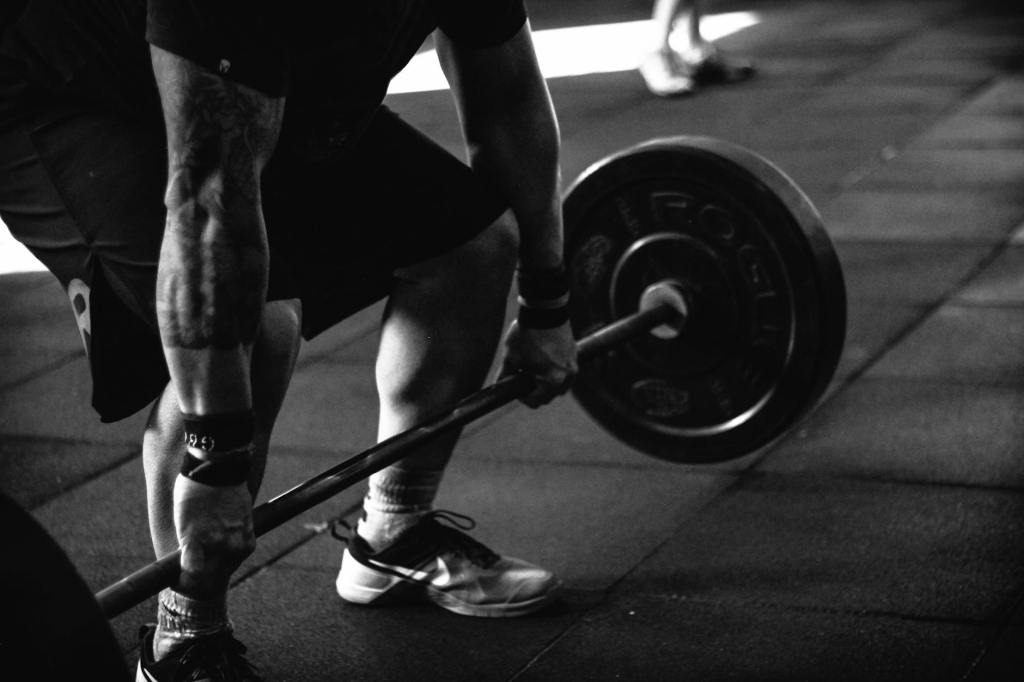
Introduction:
Lifting and handling heavy objects are routine tasks in many industrial settings. However, improper lifting techniques can lead to a range of health hazards and injuries. In this safety discussion, we’ll explore potential risks, mitigation techniques, and how to prevent injuries associated with lifting tasks.
Potential Hazards to Health:
Musculoskeletal Strain: Lifting heavy objects incorrectly can strain muscles and joints, leading to acute or chronic injuries, such as sprains, strains, and back injuries.
Hernias: Improper lifting techniques can contribute to the development of hernias, particularly in the abdominal region.
Slips, Trips, and Falls: Carrying heavy loads may obstruct vision and balance, increasing the risk of slips, trips, and falls.
Mitigation Techniques:
Proper Lifting Techniques:
Bend at the knees, not the waist, when lifting.
Keep the object close to the body during the lift.
Lift with the legs, not the back.
Avoid twisting while lifting; turn the entire body instead.
Team Lifting: For heavier objects, encourage teamwork. Having more than one person involved in lifting can distribute the load and reduce individual strain.
Use of Mechanical Aids:
Utilize equipment such as forklifts, pallet jacks, or conveyor belts for heavy or awkward loads.
Implement lifting aids like back belts or exoskeletons to support workers during lifting tasks.
Training Programs:
Conduct regular training sessions on proper lifting techniques.
Educate workers about the importance of warming up before engaging in lifting activities.
Workplace Ergonomics:
Organize workstations to minimize the need for awkward or repetitive lifting.
Provide adjustable tables and lifting aids to accommodate different body sizes and lifting requirements.
Environmental Awareness:
Maintain clear and well-lit pathways to prevent slips and trips.
Ensure that floors are free of spills and debris in areas where lifting tasks are performed.
How to Prevent Injuries:
Assessment of Load and Environment:
Assess the weight of the load and determine if it requires additional assistance or mechanical aids.
Evaluate the environment for potential obstacles or hazards before lifting.
Individual Health Considerations:
Encourage workers to know their physical limitations and request assistance for loads beyond their capacity.
Promote regular health check-ups to identify and address any underlying health conditions that may affect lifting abilities.
Encouraging Communication:
Foster a culture of open communication where workers feel comfortable reporting discomfort or pain related to lifting tasks.
Establish clear procedures for reporting and addressing concerns about lifting tasks.
Conclusion:
Safe lifting practices are fundamental to preventing injuries and maintaining a healthy work environment. By implementing proper techniques, providing necessary training, and using mechanical aids when appropriate, we can significantly reduce the risks associated with lifting tasks. Continuous awareness, education, and a collaborative approach to lifting will contribute to a safer workplace for everyone.
 Site Safety Resources
Leave a comment