
Subscribe to get access
Download a PDF of this Safety Talk with a monthly membership
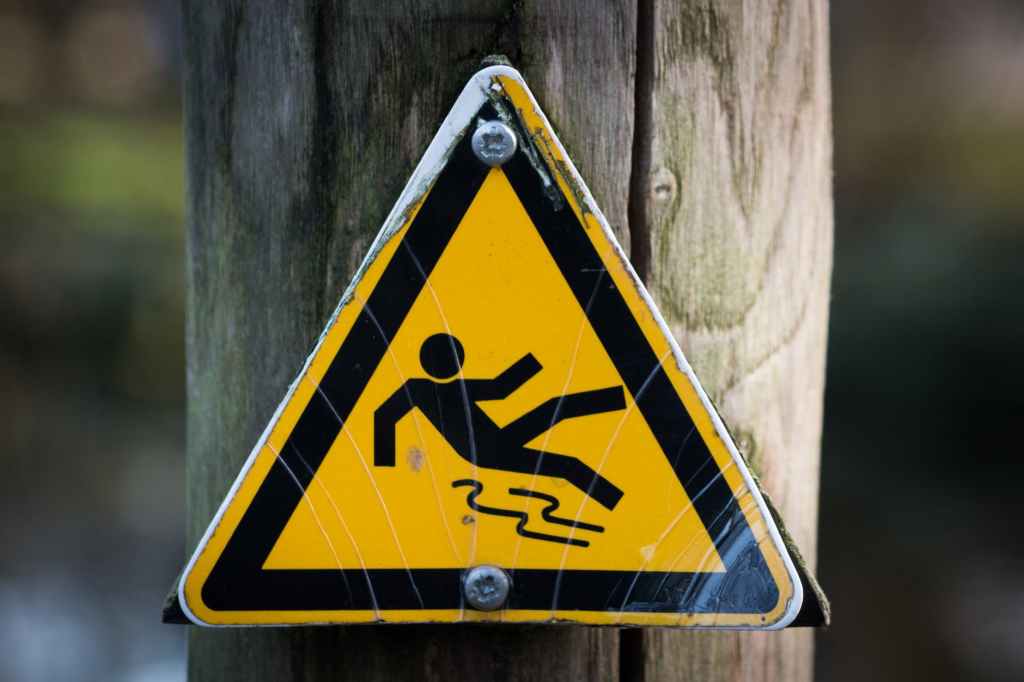
Introduction: Slips, trips, and falls are among the most common causes of workplace injuries, often resulting in serious consequences. This safety topic focuses on raising awareness and implementing preventive measures to minimize the risk of slips, trips, and falls in the workplace.
Key Points:
- Housekeeping and Cleanliness:
- Clean and Dry Surfaces: Regularly clean work areas, removing spills and ensuring surfaces are dry.
- Prompt Spill Response: Establish protocols for immediate spill cleanup to prevent slips.
- Proper Flooring:
- Non-Slip Surfaces: Use non-slip flooring materials, especially in areas prone to moisture or spills.
- Regular Inspections: Conduct regular inspections to identify and address any uneven or damaged flooring.
- Footwear Policies:
- Appropriate Footwear: Encourage employees to wear appropriate footwear with slip-resistant soles.
- Footwear Inspections: Periodically inspect and replace worn-out or damaged footwear.
- Proper Lighting:
- Adequate Illumination: Ensure all work areas, walkways, and staircases are adequately lit to prevent trips and falls.
- Regular Maintenance: Replace or repair faulty lighting promptly.
- Clear Pathways:
- Clutter-Free Walkways: Keep walkways free from clutter, obstacles, and unnecessary equipment.
- Organized Storage: Establish organized storage systems to prevent items from obstructing pathways.
- Safety Signage:
- Warning Signs: Use clear and visible warning signs in areas with potential slip or trip hazards.
- Caution Labels: Label wet floors, uneven surfaces, or other potential dangers.
- Stair Safety:
- Proper Handrails: Ensure stairs have sturdy handrails on both sides for support.
- Visible Edges: Highlight the edges of steps to improve visibility.
- Employee Training:
- Awareness Programs: Conduct regular safety awareness programs, focusing on the risks of slips, trips, and falls.
- Training on Proper Walking: Train employees on maintaining proper walking techniques, especially on slippery surfaces.
- Fall Protection Equipment:
- Use of Handrails and Guardrails: Encourage the use of handrails and guardrails in elevated areas.
- Personal Protective Equipment (PPE): Provide and promote the use of appropriate PPE, such as non-slip footwear.
- Reporting and Response:
- Prompt Reporting: Encourage employees to report any potential hazards promptly.
- Swift Response: Ensure that reported hazards are addressed swiftly to prevent accidents.
Conclusion: Preventing slips, trips, and falls requires a combination of proactive measures, employee awareness, and a commitment to maintaining a safe workplace. By fostering a culture that prioritizes cleanliness, proper maintenance, and employee education, organizations can significantly reduce the risk of these common accidents. Regular inspections and swift corrective actions contribute to creating a safer environment for everyone in the workplace.
 Site Safety Resources
Leave a comment