
Subscribe to get access
Download a PDF of this Safety Talk with a monthly membership
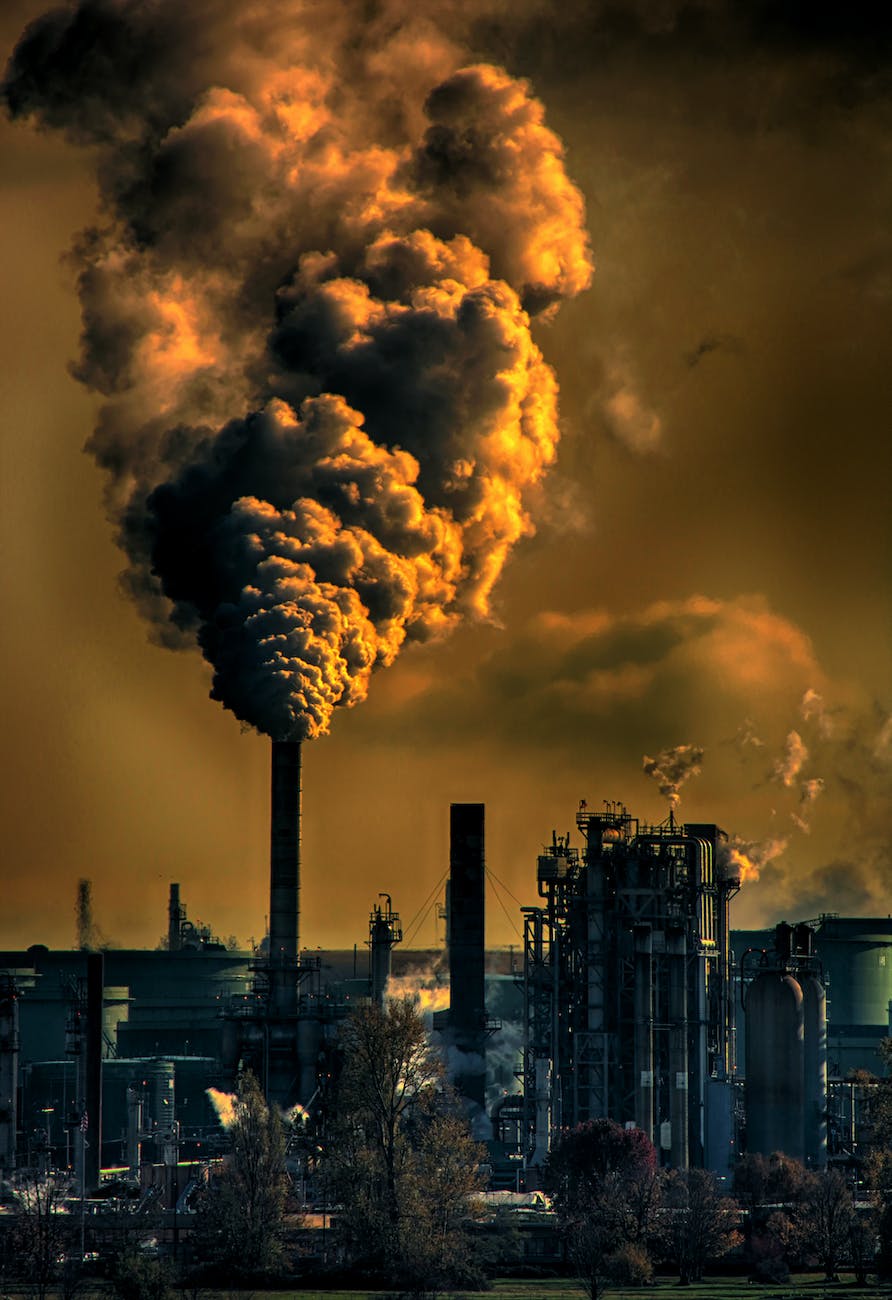
Introduction: Air pollution poses significant health and environmental risks, and workplaces can contribute to both indoor and outdoor air pollution. This safety topic focuses on raising awareness and implementing preventive measures to mitigate the impact of air pollution in the workplace.
Key Points:
- Identification of Pollution Sources:
- Industrial Emissions: Identify sources of industrial emissions, such as machinery, processes, or manufacturing activities.
- Indoor Pollutants: Recognize potential indoor pollutants like cleaning chemicals, paints, or inadequate ventilation systems.
- Ventilation Systems:
- Regular Maintenance: Ensure ventilation systems are regularly inspected and well-maintained to optimize air circulation.
- Proper Functioning: Verify that ventilation systems effectively remove pollutants and introduce fresh air into workspaces.
- Reducing Emissions:
- Emission Control Devices: Implement emission control devices on machinery and equipment to minimize the release of pollutants.
- Switch to Cleaner Alternatives: Consider using cleaner technologies and substances that produce fewer pollutants.
- Employee Training:
- Awareness Programs: Conduct awareness programs to educate employees on the sources and risks of air pollution in the workplace.
- Safe Handling Procedures: Train employees on the proper handling and disposal of chemicals to prevent air contaminants.
- Smoking Policies:
- Designated Smoking Areas: Establish designated smoking areas away from entrances and ventilation intakes.
- Smoking Cessation Programs: Support smoking cessation programs to reduce the impact of tobacco smoke on indoor air quality.
- Indoor Plants:
- Natural Air Purifiers: Introduce indoor plants known for their air-purifying properties to improve indoor air quality.
- Proper Maintenance: Ensure plants are well-maintained to prevent mold growth.
- Waste Management:
- Proper Disposal: Implement proper waste management practices to prevent the release of pollutants during disposal.
- Recycling Programs: Promote recycling initiatives to minimize the generation of hazardous waste.
- Monitoring Air Quality:
- Air Quality Assessments: Conduct regular assessments of indoor air quality using monitoring devices.
- Response to Poor Air Quality: Establish protocols for responding to poor air quality, including temporary evacuation if necessary.
- Compliance with Regulations:
- Regulatory Adherence: Ensure compliance with local and national air quality regulations.
- Regular Audits: Conduct regular audits to assess the workplace’s adherence to air quality standards.
- Emergency Response Planning:
- Emergency Procedures: Develop and communicate emergency response plans for situations involving the release of harmful pollutants.
- Evacuation Routes: Ensure employees are aware of evacuation routes in case of severe air pollution incidents.
Conclusion: Addressing air pollution in the workplace is a collective responsibility that requires awareness, proactive measures, and adherence to regulations. By implementing these key points, organizations can contribute to a healthier work environment and demonstrate a commitment to environmental stewardship. Reducing air pollution not only protects the well-being of employees but also promotes sustainability and community health.
 Site Safety Resources
Leave a comment