
Subscribe to get access
Download a PDF of this Safety Talk with a monthly membership
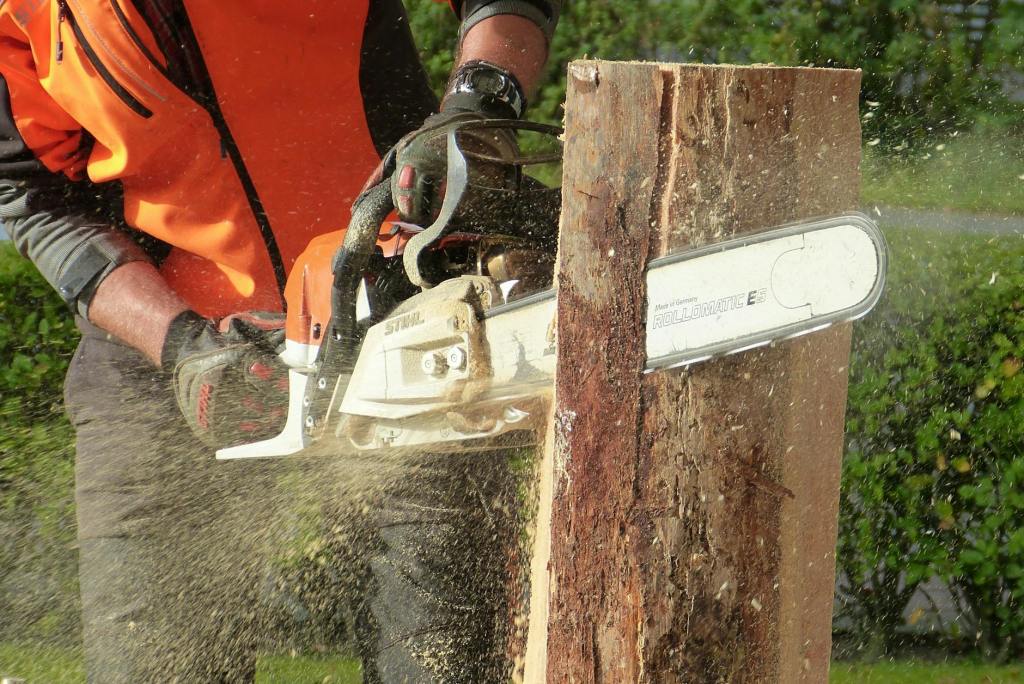
Introduction: Chainsaws are powerful tools used for various cutting applications, but their operation involves inherent risks. This safety topic is dedicated to highlighting crucial safety measures to ensure the responsible and secure use of chainsaws in the workplace.
Key Points:
- Training and Certification:
- Comprehensive Training: Provide extensive training on chainsaw operation, covering controls, safety features, and proper cutting techniques.
- Certification Programs: Encourage users to undergo chainsaw safety certification programs to enhance their skills.
- Personal Protective Equipment (PPE):
- Head Protection: Wear a helmet with a face shield and hearing protection to safeguard against falling debris and loud noise.
- Eye Protection: Utilize safety glasses or goggles to protect eyes from wood chips, dust, and other particles.
- Chainsaw Chaps or Pants: Use specially designed chaps or pants to reduce the risk of leg injuries in the event of a chainsaw kickback.
- Tool Inspection and Maintenance:
- Pre-Use Checks: Inspect the chainsaw thoroughly before each use, checking for any signs of damage or malfunction.
- Sharp Chain: Ensure the chain is sharp and properly tensioned for efficient and safe cutting.
- Regular Maintenance: Follow the manufacturer’s maintenance guidelines to keep the chainsaw in optimal working condition.
- Safe Work Environment:
- Clear Workspace: Remove tripping hazards and ensure a clutter-free work area to maintain balance and stability.
- Ventilation: Work in well-ventilated areas to disperse fumes and improve air circulation.
- Secure Footing: Maintain a stable footing while operating the chainsaw to prevent loss of balance.
- Proper Handling and Operation:
- Two-Handed Operation: Use both hands to maintain control and stability during operation.
- Correct Grip: Hold the chainsaw with a firm grip, keeping hands away from the cutting area and moving parts.
- Kickback Awareness: Train users to be aware of the potential for kickback and how to prevent and respond to it.
- Chainsaw Kickback:
- Understanding Kickback: Educate users about the causes and risks associated with chainsaw kickback.
- Anti-Kickback Features: Ensure that the chainsaw is equipped with anti-kickback features, and users are familiar with their functions.
- Emergency Preparedness:
- Emergency Stop: Familiarize users with the chainsaw’s emergency stop function and practice its quick activation.
- First Aid Kit: Keep a well-equipped first aid kit accessible in case of injuries.
- Communication and Teamwork:
- Worksite Communication: Establish clear communication among chainsaw operators and other workers to coordinate tasks safely.
- Buddy System: Implement a buddy system where operators keep an eye on each other for signs of fatigue or potential hazards.
- Proper Cutting Techniques:
- Correct Chainsaw Positioning: Ensure the chainsaw is held at the correct angle for the type of cut being performed.
- Avoid Overreaching: Maintain a stable stance and avoid overreaching to prevent loss of balance.
- Incident Reporting and Analysis:
- Prompt Reporting: Encourage immediate reporting of any incidents, near misses, or equipment malfunctions related to chainsaw operation.
- Root Cause Analysis: Conduct thorough investigations to identify the root causes of incidents and implement preventive measures.
Conclusion: Chainsaw safety is essential for both efficiency and the well-being of operators. By following these safety measures, organizations can create a workplace environment where chainsaw operation is precise, efficient, and, above all, conducted with a paramount focus on safety.
 Site Safety Resources
Leave a comment