
Subscribe to get access
Download a PDF of this Safety Talk with a monthly membership
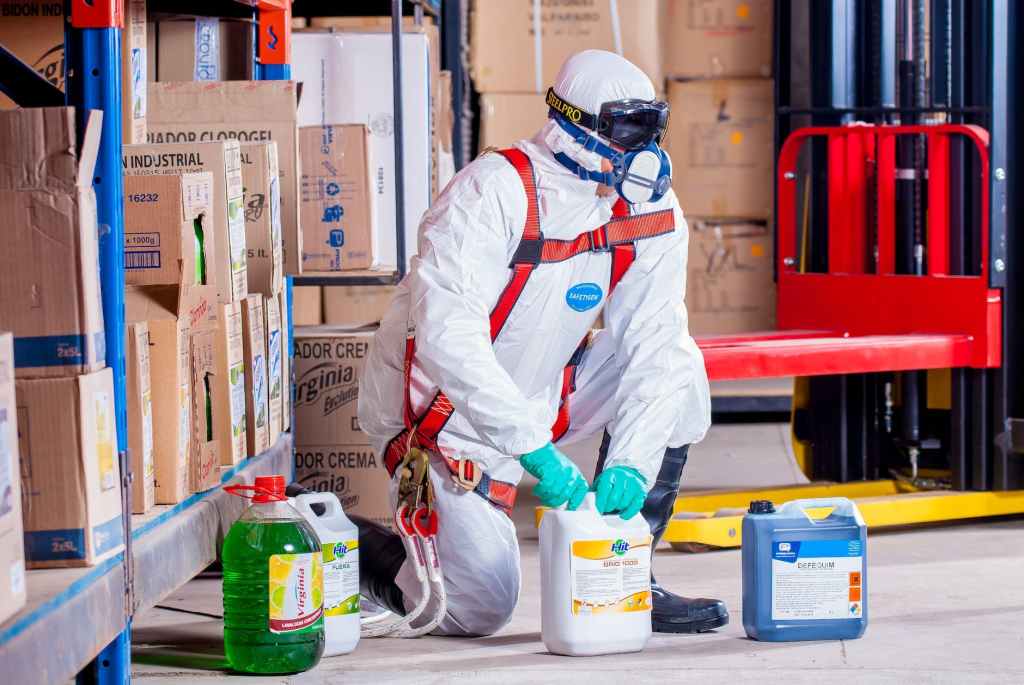
Introduction: Working with chemicals demands a heightened level of awareness and adherence to safety protocols to prevent accidents and safeguard the health of employees. This safety topic emphasizes the importance of chemical safety, with a specific focus on understanding and utilizing Material Safety Data Sheets (MSDS).
Key Points:
- Hazard Identification:
- Chemical Labeling: All chemical containers must be clearly labeled with information about the contents, hazards, and proper handling procedures.
- Understanding Symbols: Train employees to recognize hazard symbols and labels according to the Globally Harmonized System of Classification and Labelling of Chemicals (GHS).
- Material Safety Data Sheets (MSDS):
- Access and Availability: Ensure that MSDS for all chemicals used in the workplace are readily accessible to employees.
- Reading and Interpreting MSDS: Train workers on how to read and interpret information on MSDS, including hazard identification, composition, and recommended protective measures.
- Proper Storage and Handling:
- Segregation of Incompatible Chemicals: Establish guidelines for storing chemicals to prevent potential reactions between incompatible substances.
- Ventilation Requirements: Ensure adequate ventilation in areas where chemicals are handled to minimize inhalation risks.
- Personal Protective Equipment (PPE):
- Identification of Required PPE: Clearly outline the specific PPE necessary for handling each chemical, as indicated on the MSDS.
- Proper Use and Maintenance: Train employees on the correct usage, care, and maintenance of PPE.
- Emergency Procedures:
- Spill Response: Establish clear procedures for handling chemical spills, including containment, cleanup, and reporting.
- Emergency Contacts: Display emergency contact information prominently and ensure all employees are aware of the proper channels for reporting incidents.
- Training Programs:
- Initial Training: Conduct comprehensive training sessions for employees when introducing new chemicals or processes.
- Regular Refresher Courses: Provide ongoing training to reinforce safety practices and updates on handling specific chemicals.
- Chemical Disposal:
- Proper Disposal Methods: Instruct employees on the correct procedures for disposing of chemicals, adhering to regulatory guidelines.
- Waste Segregation: Implement a waste segregation system to ensure proper disposal of different types of chemical waste.
- Labeling Consistency:
- Consistent Labeling Standards: Promote a standardized approach to chemical labeling, ensuring consistency across all containers and systems.
- Regular Checks: Conduct routine checks to verify that labels remain legible and accurate.
- First Aid Awareness:
- Location of First Aid Stations: Clearly mark the locations of first aid stations and emergency equipment.
- First Aid Training: Provide basic first aid training to employees, emphasizing responses to chemical exposures.
Conclusion: Prioritizing chemical safety in the workplace is essential for the well-being of employees and the overall integrity of the work environment. By instilling a culture of awareness, providing comprehensive training, and promoting the use of MSDS, organizations can significantly reduce the risks associated with working with chemicals and enhance overall workplace safety.
 Site Safety Resources
Leave a comment