
Subscribe to get access
Download a PDF of this Safety Talk with a monthly membership
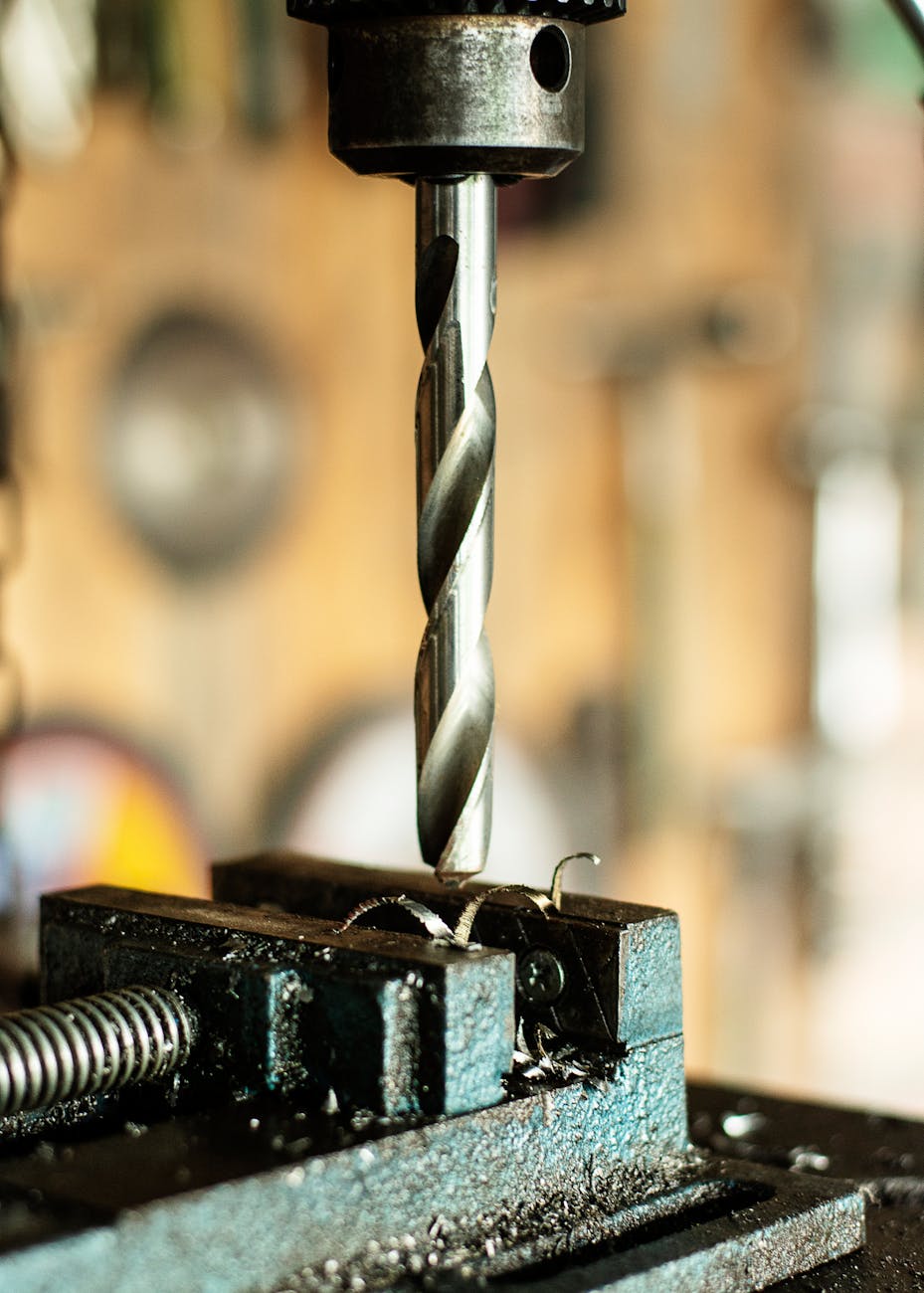
Introduction: A drill press is a powerful tool used for precision drilling, but its safe operation is essential to prevent accidents. This safety topic focuses on the importance of understanding and implementing safety measures when using a drill press to ensure a secure working environment.
Key Points:
- Training and Familiarity:
- Comprehensive Training: Provide thorough training on the specific drill press being used, covering its controls, safety features, and proper operating procedures.
- Read the Manual: Emphasize the importance of reading and understanding the manufacturer’s manual for the drill press.
- Personal Protective Equipment (PPE):
- Eye Protection: Always wear safety glasses or goggles to protect eyes from flying debris and chips.
- Hearing Protection: Use earmuffs or earplugs, especially in noisy environments to prevent hearing damage.
- Appropriate Clothing: Avoid loose clothing and wear appropriate work attire to prevent entanglement.
- Tool Inspection and Maintenance:
- Pre-Use Checks: Inspect the drill press before each use, checking for any signs of damage or malfunction.
- Sharp Drill Bits: Ensure drill bits are sharp, properly secured, and in good condition for efficient and safe drilling.
- Regular Maintenance: Follow the manufacturer’s maintenance schedule to keep the drill press in optimal working condition.
- Safe Work Environment:
- Clear Workspace: Maintain a clutter-free and well-lit work area to minimize tripping hazards and enhance visibility.
- Secure Workpiece: Ensure the workpiece is securely clamped or held down to prevent unexpected movement.
- Proper Handling and Operation:
- Two-Handed Operation: Whenever possible, use both hands to maintain control and stability.
- Correct Grip: Hold the workpiece securely and use proper hand placement on the drill press handles.
- Stable Stance: Maintain a balanced and stable stance to ensure better control during operation.
- Drill Bit Selection:
- Appropriate Bits: Use drill bits suitable for the material being drilled, and ensure they are correctly installed and securely tightened.
- Avoiding Excessive Force: Let the drill press do the work; avoid applying excessive force, which can lead to loss of control.
- Adjustments and Settings:
- Speed Settings: Adjust the drill press speed according to the material and bit being used.
- Depth Stops: Set depth stops to prevent overdrilling and ensure consistent hole depths.
- Chip Removal:
- Clearing Chips: Regularly clear away chips and debris from the work area to maintain visibility and prevent overheating.
- Chip Collection: Use appropriate chip collection methods, such as a vacuum or brush, to prevent buildup.
- Emergency Stop and Controls:
- Location of Emergency Stop: Ensure operators know the location and proper use of the emergency stop button.
- Familiarity with Controls: Familiarize users with all controls and switches, emphasizing their functions and proper usage.
- Emergency Preparedness:
- Emergency Procedures: Establish clear emergency procedures in case of drill press malfunctions or accidents.
- First Aid Kit: Keep a well-equipped first aid kit accessible in case of injuries.
Conclusion: The drill press is a valuable tool for precision drilling, but its safe operation is crucial. By following these safety measures, organizations can ensure that workers effectively use a drill press while minimizing the risk of accidents and injuries. The integration of these practices into daily operations fosters a workplace culture that prioritizes precision and safety in every drilling task.
 Site Safety Resources
Leave a comment