
Subscribe to get access
Download a PDF of this Safety Talk with a monthly membership
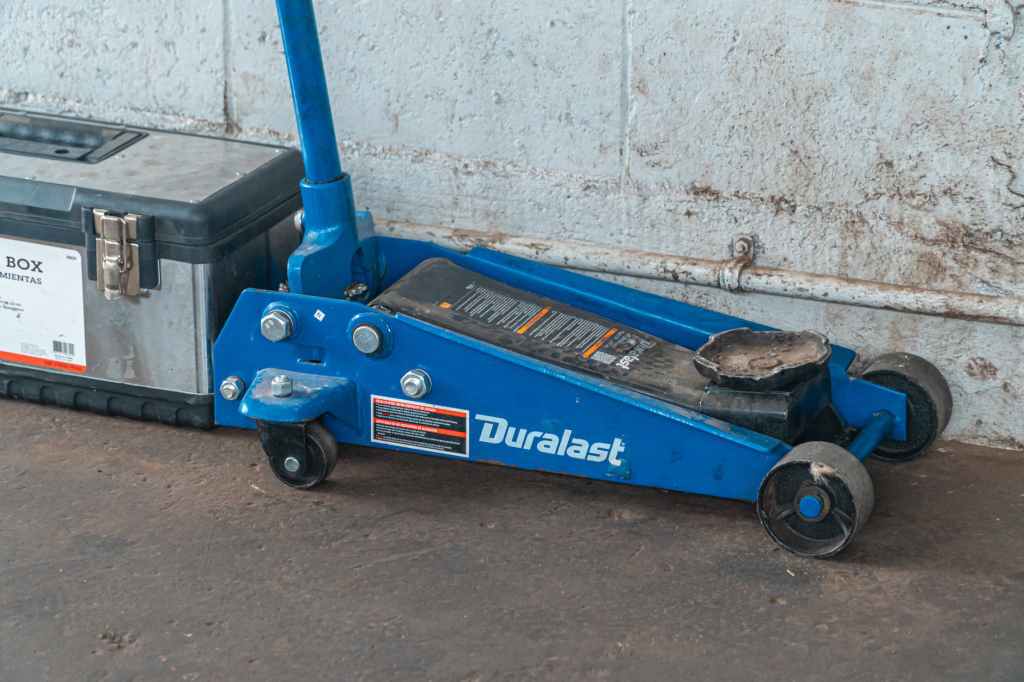
Introduction: Hydraulic systems are fundamental in various industries for powering heavy machinery, but their operation involves inherent risks. This safety topic focuses on the importance of understanding and implementing safety measures to ensure the secure use of hydraulic systems in the workplace.
Key Points:
- Understanding Hydraulic Systems:
- Force and Pressure: Hydraulic systems generate significant force and pressure, emphasizing the need for careful handling.
- Fluid Power: Recognize the potential hazards associated with hydraulic fluid under high pressure.
- Personal Protective Equipment (PPE):
- Eye Protection: Wear safety goggles or a face shield to protect against potential splashes or leaks of hydraulic fluid.
- Gloves: Use gloves designed for handling hydraulic systems to protect hands from abrasions and chemical exposure.
- Hydraulic Fluid Awareness:
- Fluid Compatibility: Be aware of the specific hydraulic fluid in use and its compatibility with system components.
- Fluid Inspection: Regularly inspect hydraulic fluid for contamination and maintain proper fluid levels.
- Leak Prevention:
- Regular Inspections: Conduct routine inspections for leaks in hoses, connectors, and fittings.
- Prompt Repairs: Address any leaks immediately to prevent hydraulic fluid from escaping and posing a hazard.
- Pressure Relief Devices:
- Properly Calibrated Devices: Ensure pressure relief valves are properly calibrated to release pressure in case of overloads.
- Regular Testing: Periodically test pressure relief devices to confirm their proper functionality.
- Safe Work Environment:
- Clear Workspace: Keep the work area around hydraulic systems clean and organized to minimize tripping hazards.
- Secure Equipment: Ensure that machinery powered by hydraulic systems is properly secured during operation.
- Lockout/Tagout Procedures:
- Isolation Protocols: Implement lockout/tagout procedures when servicing or maintaining hydraulic systems to prevent unintentional activation.
- Employee Training: Train personnel on the importance of lockout/tagout procedures and the potential dangers of bypassing safety measures.
- Proper Hose Handling:
- Avoiding Kinks and Twists: Handle hydraulic hoses carefully to avoid kinks, twists, or sharp bends that could lead to failure.
- Proper Routing: Ensure hoses are properly routed and secured to prevent damage or accidental disconnection.
- Education and Training:
- Operator Training: Provide thorough training for operators on the safe operation of hydraulic systems.
- Emergency Response: Educate personnel on emergency response procedures in case of hydraulic system failures or accidents.
- Equipment Inspection and Maintenance:
- Regular Checks: Conduct regular inspections of hydraulic components, including hoses, cylinders, and valves.
- Scheduled Maintenance: Follow manufacturer recommendations for scheduled maintenance to ensure the proper functioning of hydraulic systems.
Conclusion: Hydraulic systems are a powerful tool in industrial settings, but their safe operation is paramount. By adhering to these safety measures, organizations can create a workplace environment where hydraulic systems are utilized efficiently and responsibly, minimizing the risk of accidents and ensuring the well-being of personnel.
 Site Safety Resources
Leave a comment