
Subscribe to get access
Download a PDF of this Safety Talk with a monthly membership
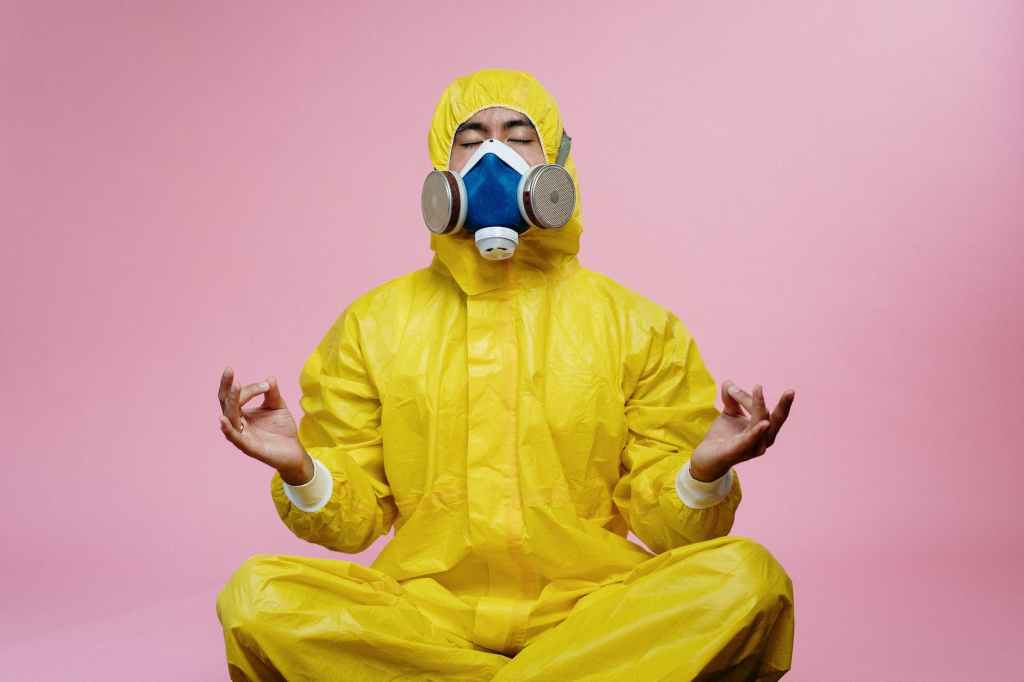
Introduction: Personal Protective Equipment (PPE) plays a crucial role in safeguarding workers from various workplace hazards. This safety topic is dedicated to understanding the importance of PPE, its proper usage, and the collective responsibility to ensure a safer work environment.
Key Points:
- Types of PPE:
- Head Protection: Helmets protect against falling objects or impact.
- Eye Protection: Safety glasses, goggles, or face shields shield eyes from chemicals, debris, or intense light.
- Respiratory Protection: Masks or respirators safeguard against inhaling harmful particles or fumes.
- Hand Protection: Gloves shield hands from cuts, burns, chemicals, or abrasions.
- Foot Protection: Safety shoes or boots guard against impact, punctures, or electrical hazards.
- Body Protection: Coveralls, vests, or aprons provide protection against spills, splashes, or contaminants.
- Risk Assessment:
- Identifying Hazards: Conduct a thorough hazard assessment to determine the types of PPE required for specific tasks.
- Understanding Risks: Recognize the potential risks associated with each job and select appropriate PPE accordingly.
- Proper Selection and Fit:
- Choosing the Right PPE: Ensure PPE is suitable for the specific hazard, task, and environmental conditions.
- Correct Sizing: PPE must fit properly to provide effective protection without hindering movement or causing discomfort.
- Training and Education:
- Employee Awareness: Provide comprehensive training on the importance of PPE and the specific usage for different tasks.
- Demonstrate Proper Use: Show employees how to correctly wear, adjust, and maintain their PPE.
- Maintenance and Inspection:
- Regular Checks: Inspect PPE regularly for signs of wear, damage, or deterioration.
- Timely Replacement: Replace damaged or worn-out PPE promptly to ensure continued effectiveness.
- Emergency Response:
- Emergency Protocols: Clearly communicate procedures for using PPE in emergency situations.
- Accessibility: Ensure that emergency PPE, such as eyewash stations or respirators, is easily accessible and functional.
- Encouraging Compliance:
- Lead by Example: Supervisors and management should consistently wear PPE to set a positive example.
- Positive Reinforcement: Recognize and reward employees for proper PPE usage and compliance with safety protocols.
- Climate Considerations:
- Comfortable Options: In hot environments, provide lightweight, breathable PPE to prevent overheating.
- Insulated Gear: In cold conditions, ensure that PPE offers adequate insulation without compromising safety.
- Communication:
- Clear Signage: Use signage to remind employees to wear appropriate PPE in designated areas.
- Open Dialogue: Encourage open communication about the comfort and effectiveness of PPE to address any concerns.
- Regular Review and Updates:
- Stay Informed: Keep abreast of new technologies and advancements in PPE.
- Periodic Reviews: Conduct periodic reviews of PPE policies and update them based on changing workplace conditions or regulations.
Conclusion: Personal Protective Equipment is a fundamental aspect of workplace safety. By prioritizing proper selection, usage, and maintenance of PPE, organizations create a safer working environment where employees can perform their tasks with confidence and protection against potential hazards. The collective commitment to PPE ensures a workplace culture that values the well-being of every individual.
 Site Safety Resources
Leave a comment