
Subscribe to get access
Download a PDF of this Safety Talk with a monthly membership
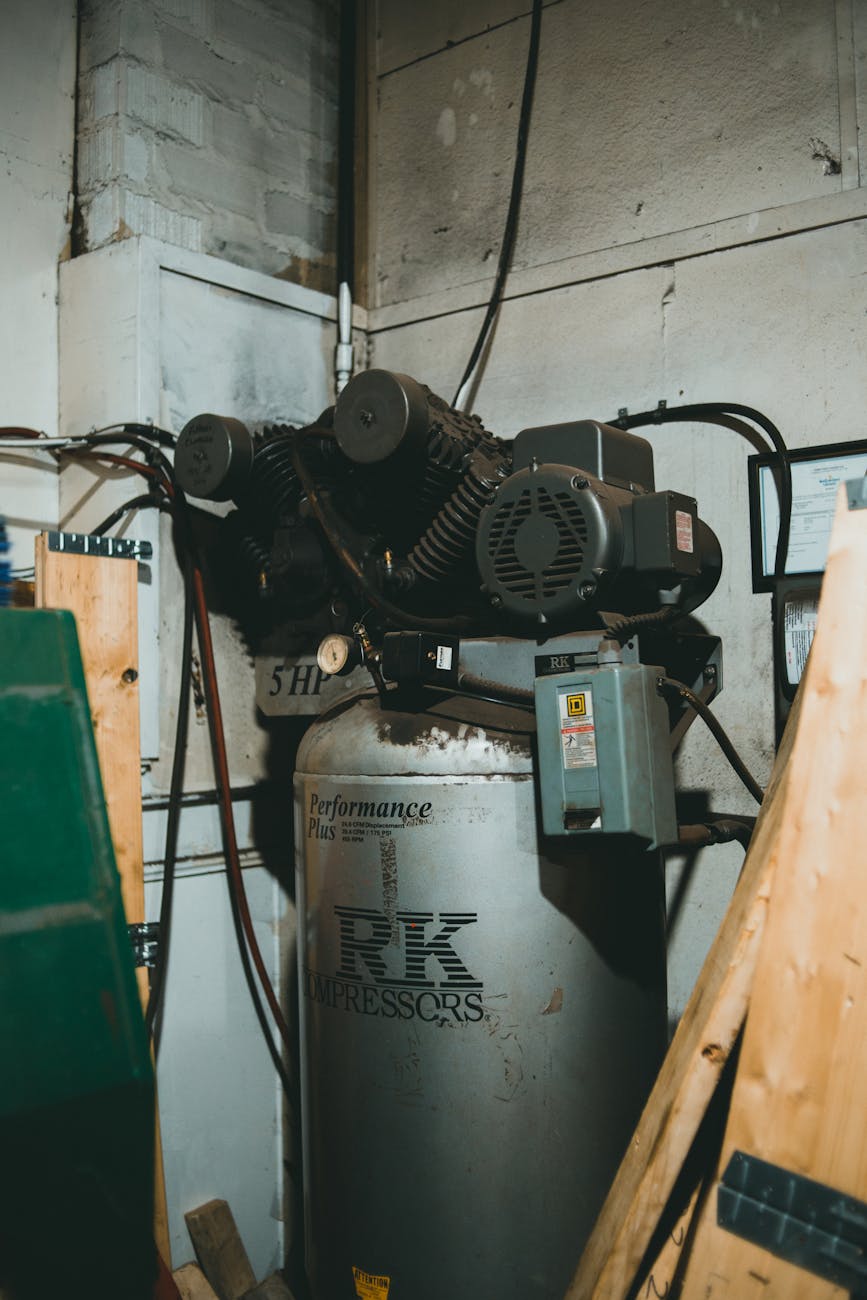
Introduction: Pressurized air is a common and valuable tool in various industries, but its misuse can lead to serious injuries. This safety topic aims to raise awareness about the potential dangers associated with compressed air and emphasizes safe practices to mitigate risks in the workplace.
Key Points:
- Understanding Compressed Air:
- Force and Velocity: Compressed air can exert significant force and velocity, leading to potential injuries.
- Stored Energy: Recognize that compressed air systems store energy that can be released unexpectedly.
- Personal Protective Equipment (PPE):
- Eye Protection: Wear safety goggles or a face shield to safeguard against airborne particles and the force of released air.
- Hearing Protection: Use earmuffs or earplugs in environments with high levels of noise generated by compressed air.
- Proper Use of Compressed Air:
- Avoiding Directing Air at the Body: Never direct compressed air toward any part of the body, especially the face or skin.
- Regulated Pressure: Use pressure regulators to ensure that the compressed air is at a safe and controlled level for the task.
- Cleaning Applications:
- Safe Distance: When using compressed air for cleaning, maintain a safe distance from the target surface.
- Use of Safety Nozzles: Utilize safety nozzles with OSHA-compliant features to minimize the risk of injury.
- Compressed Air for Personal Cleaning:
- Prohibition: Strictly prohibit the use of compressed air for cleaning clothing or body parts.
- Alternative Methods: Encourage the use of appropriate cleaning methods and equipment for personal hygiene.
- Preventing Hose Whipping:
- Securely Attach Tools: Ensure that tools are securely attached to the compressed air hose to prevent whipping.
- Controlled Release: Release pressure gradually and in a controlled manner, especially when disconnecting tools.
- Equipment Inspection:
- Regular Maintenance: Inspect compressed air equipment regularly for leaks, damaged hoses, or faulty components.
- Prompt Repairs: Address any issues promptly to prevent accidents caused by equipment failure.
- Education and Training:
- Employee Training: Provide comprehensive training on the safe use of compressed air, including potential hazards and proper handling.
- Emergency Procedures: Educate workers on emergency procedures in case of injuries or accidents involving compressed air.
- Regulatory Compliance:
- OSHA Guidelines: Familiarize yourself and your team with Occupational Safety and Health Administration (OSHA) guidelines related to compressed air safety.
- Adherence to Standards: Ensure compliance with industry standards and regulations governing the use of compressed air.
- Reporting and Investigation:
- Incident Reporting: Establish a clear protocol for reporting any incidents, near misses, or concerns related to the use of compressed air.
- Root Cause Analysis: Conduct thorough investigations to identify the root causes of incidents and implement preventive measures.
Conclusion: Pressurized air, when handled improperly, can pose serious risks to the safety of workers. By understanding the potential dangers, following safety guidelines, and implementing proper training, organizations can create a workplace environment where compressed air is a valuable tool used with caution and responsibility.
 Site Safety Resources
Leave a comment