
Subscribe to get access
Download a PDF of this Safety Talk with a monthly membership
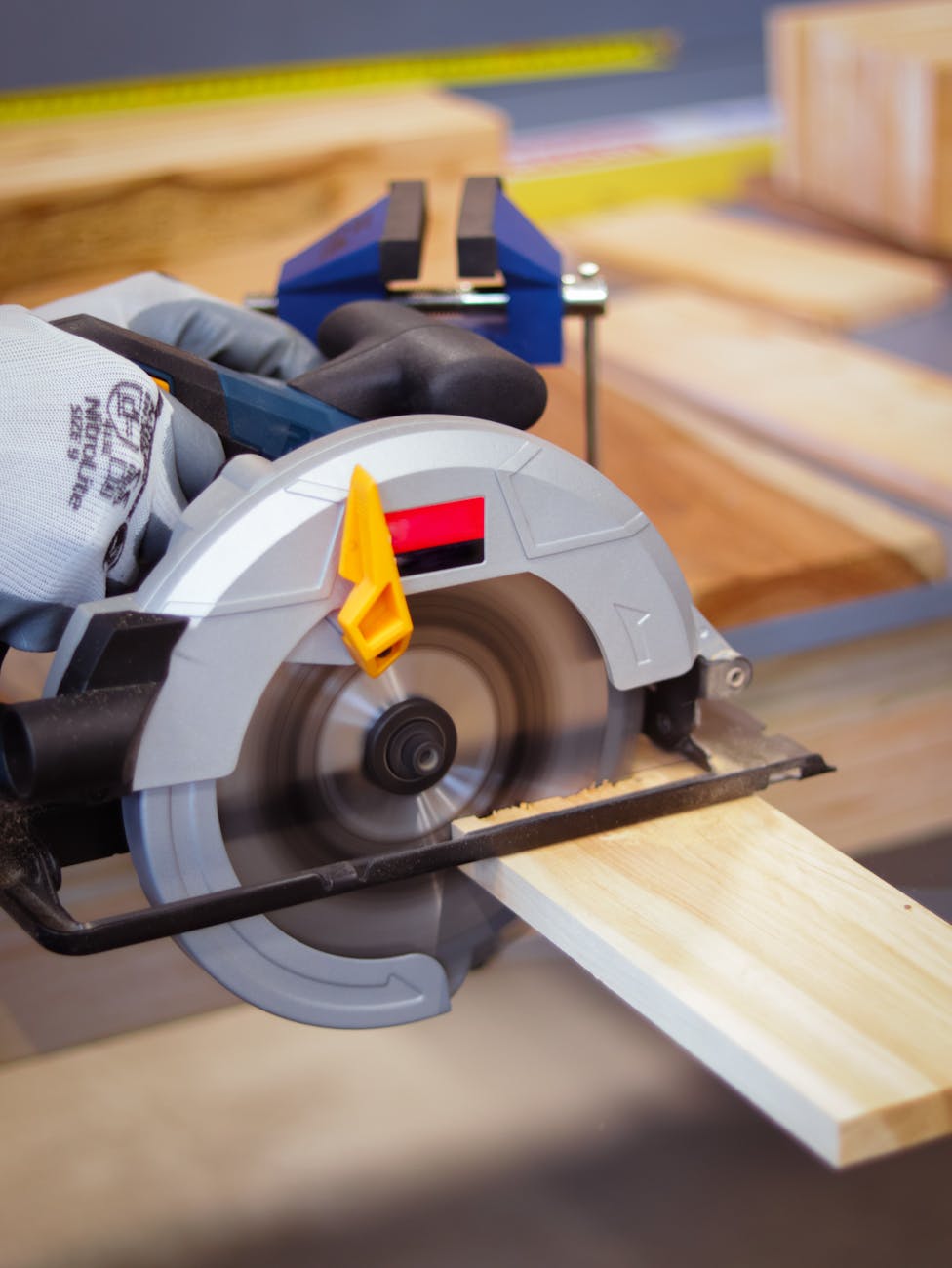
Introduction: Power saws are valuable tools for various cutting applications, but their use comes with inherent risks. This safety topic emphasizes the importance of understanding and implementing safety measures when operating power saws to ensure a secure working environment.
Key Points:
- Training and Familiarity:
- Comprehensive Training: Provide thorough training on the specific type of power saw being used, covering operational controls and safety features.
- Read the Manual: Emphasize the importance of reading and understanding the manufacturer’s manual for each power saw.
- Personal Protective Equipment (PPE):
- Eye Protection: Always wear safety glasses or goggles to protect eyes from flying debris.
- Hearing Protection: Use earmuffs or earplugs, especially in noisy environments.
- Appropriate Clothing: Wear snug-fitting, non-restrictive clothing, avoiding loose accessories.
- Tool Inspection and Maintenance:
- Pre-Use Checks: Inspect the power saw before each use, checking for any signs of damage or malfunction.
- Sharp Blades: Ensure that saw blades are sharp and in good condition before starting any cutting tasks.
- Regular Maintenance: Follow the manufacturer’s maintenance schedule to keep the power saw in optimal working condition.
- Safe Work Environment:
- Clear Workspace: Create a clutter-free and well-lit workspace to minimize tripping hazards and enhance visibility.
- Ventilation: Use the saw in well-ventilated areas to disperse dust or fumes generated during cutting.
- Secure Workpiece: Securely clamp or hold down the workpiece to prevent unexpected movement.
- Proper Handling and Operation:
- Two-Handed Operation: Whenever possible, use both hands to maintain control and stability.
- Correct Grip: Hold the power saw with a firm grip, keeping hands away from the cutting area and moving parts.
- Stable Stance: Maintain a balanced and stable stance to ensure better control during operation.
- Blade Guard and Safety Features:
- Functional Blade Guard: Ensure the blade guard is functional and properly adjusted to cover the blade when not in use.
- Emergency Brake: Familiarize users with the emergency brake function and its quick activation.
- Cutting Techniques:
- Appropriate Blades: Use blades suitable for the material being cut, and ensure they are correctly installed.
- Steady Pressure: Apply steady and controlled pressure during cutting, allowing the tool to work efficiently.
- Avoid Overreaching: Maintain a stable footing and avoid overreaching to prevent loss of balance.
- Electrical Safety:
- Proper Cord Management: Keep power cords away from the cutting path and ensure they are in good condition.
- Grounded Outlets: Use power saws with a three-pronged plug in grounded outlets.
- Emergency Preparedness:
- Emergency Stop: Familiarize users with the emergency stop function of the power saw and its quick activation.
- First Aid Kit: Keep a well-equipped first aid kit accessible in case of minor injuries.
- Communication and Reporting:
- Incident Reporting: Establish a clear protocol for reporting any accidents, malfunctions, or near-miss incidents.
- Open Communication: Encourage a culture of open communication regarding safety concerns related to the use of power saws.
Conclusion: Operating power saws requires skill, awareness, and a commitment to safety. By adhering to these safety measures, organizations can ensure that workers effectively use power saws while minimizing the risk of accidents and injuries. The integration of these practices into daily operations fosters a workplace culture that prioritizes precision and safety in every cut.
 Site Safety Resources
Leave a comment