
Subscribe to get access
Download a PDF of this Safety Talk with a monthly membership
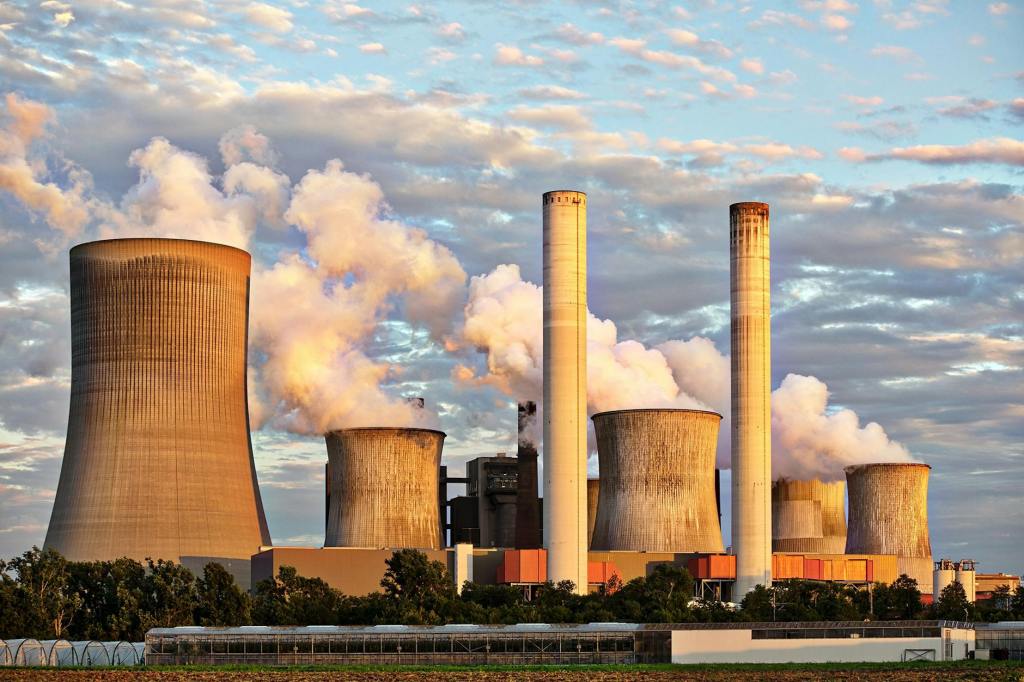
Safety Topic: Steam Systems – Understanding Inherent Dangers and Mitigating Risks
Introduction: Steam systems play a crucial role in various industries, providing power and heat for numerous applications. However, the inherent dangers associated with high-pressure steam require a comprehensive understanding of potential risks and strict adherence to safety measures. This safety topic aims to highlight the dangers of steam systems and strategies to mitigate associated risks.
Key Points:
- High Pressure and Temperature:
- Respect the Power of Steam: Understand that steam is generated under high pressure and temperatures, and mishandling can result in severe injuries.
- Potential for Burns: Recognize the risk of burns from direct contact with steam or hot surfaces.
- Boiler Safety:
- Regular Inspections: Conduct routine inspections of boilers to identify and address any issues promptly.
- Pressure Relief Devices: Ensure pressure relief devices are properly installed, calibrated, and regularly tested to prevent overpressurization.
- Steam Leakage:
- Seal Integrity: Regularly check and maintain seals on steam system components to prevent leaks.
- Prompt Repairs: Address steam leaks promptly to avoid injuries and reduce energy losses.
- Water Hammer:
- Understand the Phenomenon: Be aware of the potential for water hammer, a sudden increase in pressure caused by the rapid condensation of steam.
- Proper Condensate Drainage: Implement proper condensate drainage to minimize the risk of water hammer.
- Steam Trap Failures:
- Regular Testing: Periodically test steam traps to ensure they are functioning correctly.
- Address Failures Promptly: Replace or repair failed steam traps promptly to prevent energy losses and potential safety hazards.
- Steam Quality:
- Monitor Steam Quality: Regularly monitor the quality of steam to ensure it meets required specifications.
- Prevent Contamination: Implement measures to prevent contaminants from entering the steam system.
- Operator Training:
- Comprehensive Training: Provide thorough training for operators on the safe operation of steam systems.
- Emergency Response: Equip operators with the knowledge and skills to respond to emergencies promptly.
- Proper Ventilation:
- Adequate Ventilation: Ensure proper ventilation in areas where steam is released to prevent the buildup of steam-related contaminants.
- Monitor Air Quality: Regularly monitor air quality in and around steam system areas.
- Communication and Warning Systems:
- Clear Communication: Establish clear communication protocols among personnel working in and around steam systems.
- Warning Signs: Clearly mark hazardous areas and provide warning signs to indicate the presence of steam and associated dangers.
- Emergency Shutdown Procedures:
- Emergency Shutdown Drills: Conduct regular drills to ensure personnel are familiar with emergency shutdown procedures.
- Rapid Response: Train personnel to react quickly to emergency situations to minimize the impact of potential accidents.
Conclusion: The dangers associated with steam systems demand a vigilant approach to safety. By understanding the inherent risks, implementing preventive measures, and providing thorough training for personnel, organizations can harness the benefits of steam systems while minimizing the potential for accidents and injuries. Safety in steam systems is a shared responsibility, and a proactive approach ensures a workplace environment where steam is utilized efficiently and safely.
 Site Safety Resources
Leave a comment