
Subscribe to get access
Download a PDF of this Safety Talk with a monthly membership
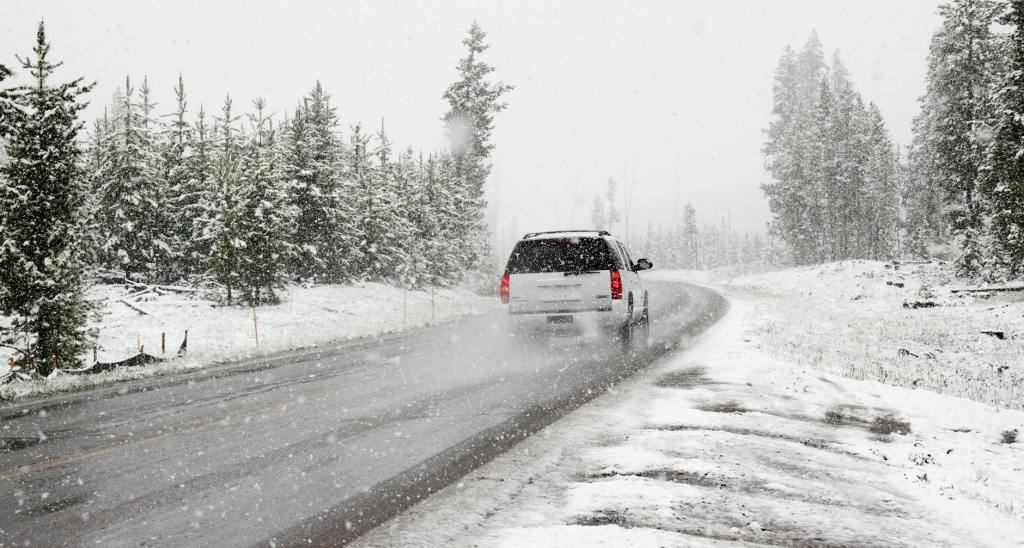
Introduction: Navigating roads in cold weather demands heightened awareness and adherence to specific safety measures. This safety topic aims to highlight key considerations and practices for safe driving in cold weather conditions to ensure the well-being of drivers and passengers.
Key Points:
- Vehicle Maintenance:
- Pre-Winter Inspection: Conduct a thorough vehicle inspection before winter, checking brakes, tires, battery, lights, and fluids.
- Winter Tires: Consider using winter tires for improved traction on icy or snowy roads.
- Properly Inflate Tires:
- Optimal Tire Pressure: Ensure tires are properly inflated, as cold weather can cause tire pressure to drop.
- Regular Checks: Conduct regular tire pressure checks throughout the winter season.
- Defensive Driving:
- Increased Following Distance: Maintain a greater following distance behind other vehicles to allow for extended stopping distances.
- Reduced Speed: Adjust driving speed to match road and weather conditions, even if it means driving below the speed limit.
- Brake Carefully:
- Gentle Braking: Apply brakes gently to avoid skidding, especially when approaching intersections or making turns.
- Antilock Brake System (ABS): Familiarize yourself with the operation of ABS brakes, if equipped.
- Clear Visibility:
- Clear All Windows: Remove all ice and snow from windows, mirrors, and lights for maximum visibility.
- Use Defrost and Wipers: Utilize defrost settings and windshield wipers to maintain a clear view.
- Anticipate Black Ice:
- Bridge and Overpass Caution: Be particularly cautious on bridges and overpasses, as they freeze more quickly than roads.
- Shaded Areas: Watch for black ice in shaded areas where the sun may not reach.
- Emergency Kit:
- Winter Survival Kit: Keep an emergency kit in your vehicle, including a blanket, flashlight, jumper cables, and non-perishable food.
- Communication Device: Carry a fully charged mobile phone for emergency communication.
- Plan Ahead:
- Check Weather Forecasts: Before setting out, check weather forecasts and road conditions.
- Route Planning: Plan your route in advance, opting for well-maintained and frequently traveled roads.
- Stay Informed:
- Listen to Updates: Pay attention to weather and traffic updates on the radio or through mobile apps.
- Road Closures: Stay informed about any road closures or advisories due to severe weather.
- Personal Readiness:
- Winter Clothing: Wear warm clothing and keep extra layers in the vehicle in case of unexpected delays.
- Inform Others: Let someone know your travel plans and expected arrival time.
Conclusion: Driving in cold weather requires a combination of preparedness, caution, and defensive driving practices. By adhering to these safety measures, individuals can contribute to safer road conditions and reduce the risk of accidents during winter weather. Prioritizing safety on the road ensures a secure journey for drivers, passengers, and fellow road users.
 Site Safety Resources
Leave a comment